


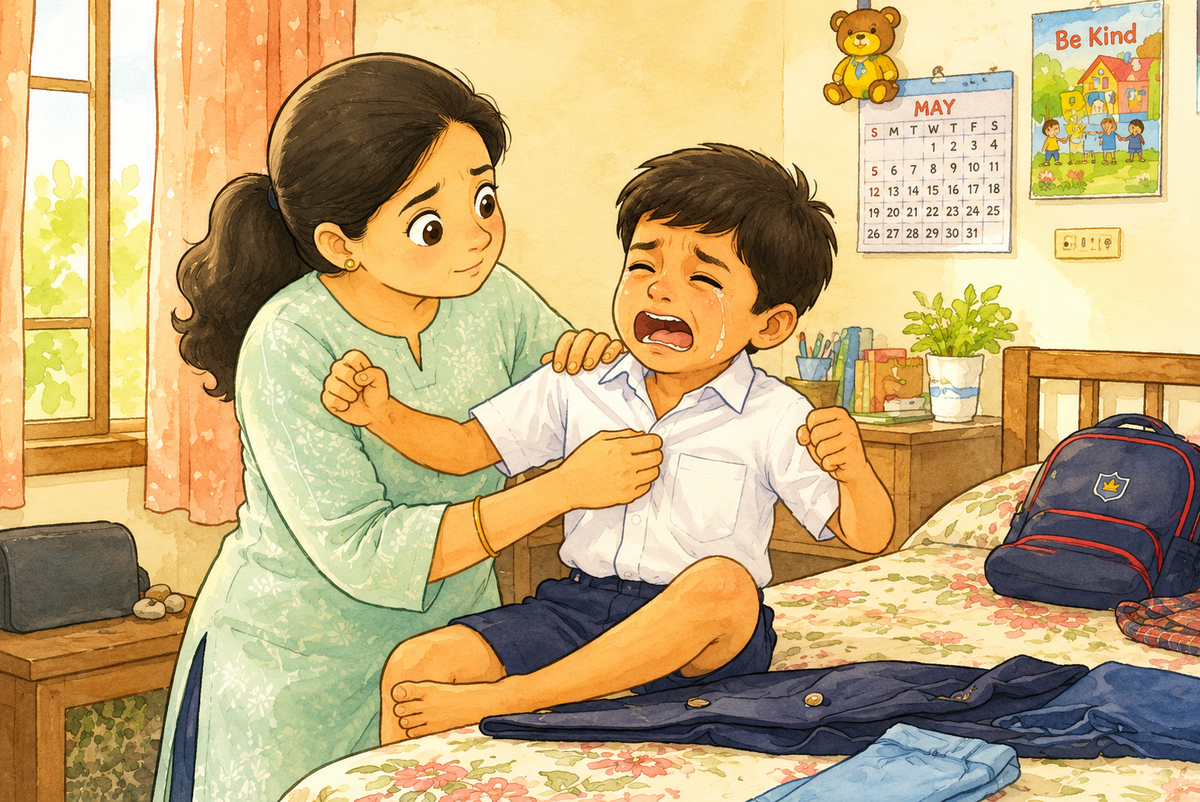
My Child Has Tantrums After School — What Is Really Happening?
Manasi naga valluri
Founder, MANAS Learning | Educational Psychologist
Understanding After-School Tantrums, Emotional Dysregulation, and Restraint Collapse in Children
Why Is My Child Having After-School Tantrums?
Your child's teacher says they were calm, focused, and well-behaved at school. But minutes after coming home, your child starts crying, screaming, refusing to talk, or having emotional meltdowns after school.
Many parents wonder:
“Why does my child behave differently at home vs school?”
The answer: both versions of your child are real.
What you are seeing is often called after-school restraint collapse — a common reason behind after-school tantrums, child meltdowns after school, and emotional dysregulation in children.
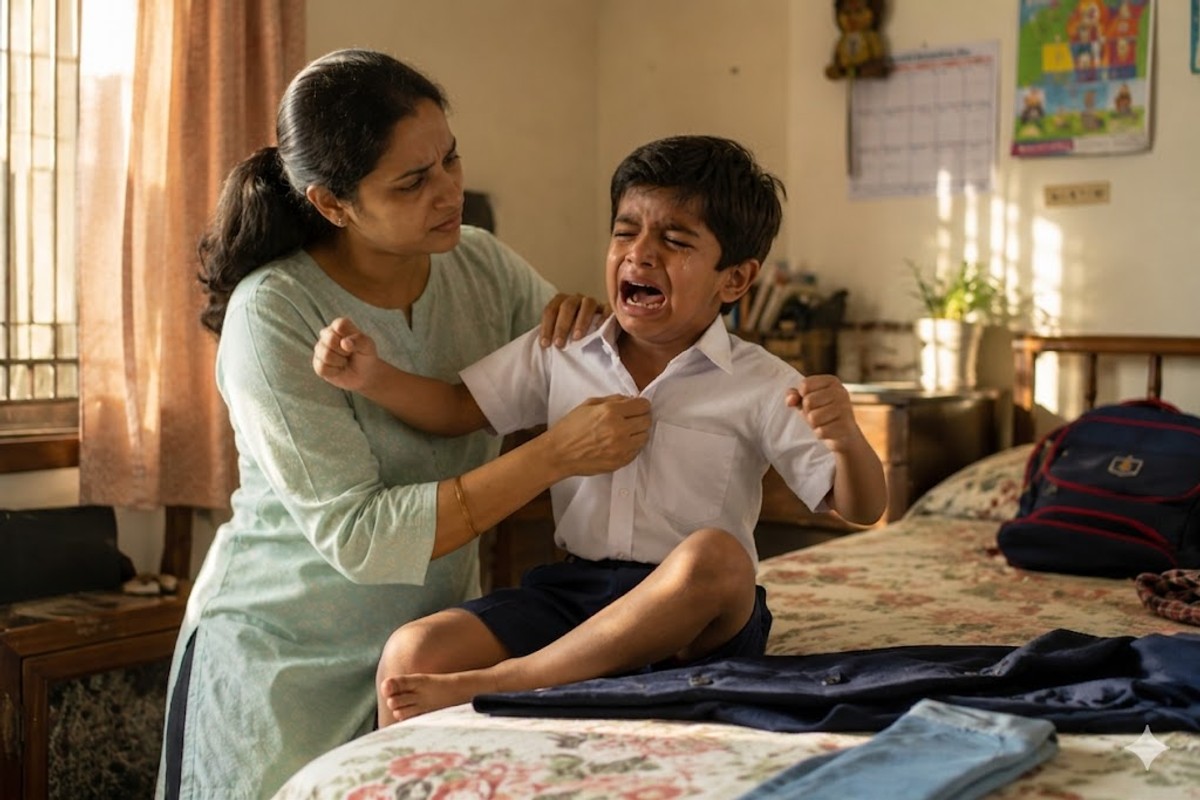
What Is After-School Restraint Collapse?
The Real Reason Behind Child Meltdowns After School
School places heavy demands on a child’s nervous system. For hours, children are expected to:
- Sit still
- Focus and learn
- Regulate emotions
- Follow instructions
- Manage sensory input
- Navigate social situations
Children with ADHD, autism, anxiety, sensory processing difficulties, or learning challenges often work even harder to stay regulated throughout the day.
By the time they get home, their emotional energy is depleted.
Home feels safe. So the nervous system finally releases built-up stress.
This is why after-school meltdowns in children are often a form of decompression — not bad behaviour.
Why Some Children Experience Severe Emotional Dysregulation After School
Children Most Affected by After-School Behaviour Problems
Neurodivergent Children (ADHD & Autism)
Children with ADHD or autism may spend the school day masking symptoms and managing emotions, leading to intense ADHD after-school behaviour at home.
Children With Sensory Overload
Noise, bright lights, crowded classrooms, and constant stimulation can cause significant sensory overload in children.
Anxious Children
Children with anxiety suppress worries all day, making home the safest place for emotional release.
Perfectionistic or High-Achieving Children
Children trying hard to “hold it together” at school often release emotions only at home.
Children Struggling Academically
Learning difficulties can increase school exhaustion and emotional fatigue.
What NOT to Do During After-School Meltdowns
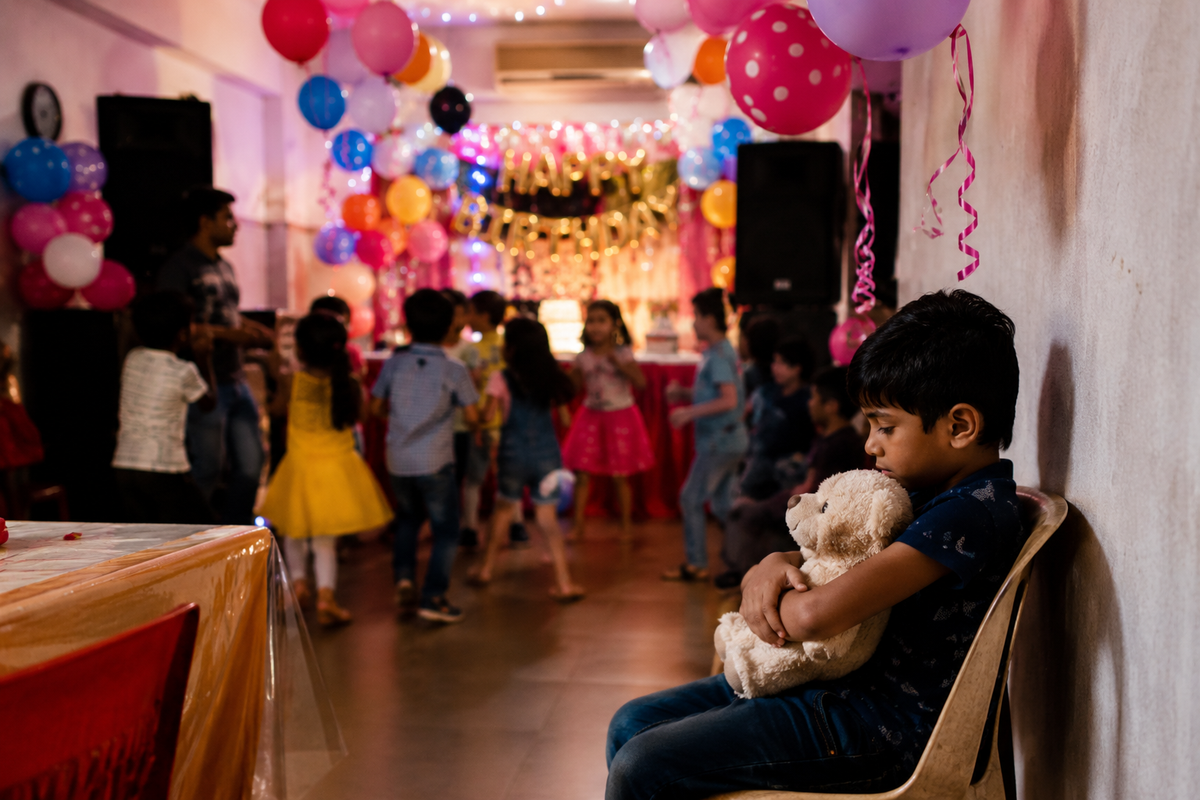
Avoid Increasing Emotional Overload
When children are dysregulated after school, avoid:
- Asking too many questions
- Starting homework immediately
- Punishment or harsh discipline
- Demanding explanations
A child experiencing emotional dysregulation after school needs support and regulation first.
What Helps With After-School Tantrums?
Regulation Before Communication
At MANAS Learning, we guide parents to focus on regulation before conversation.
Create a Calm Transition Routine
Offer:
- Quiet time
- Snacks
- Sensory play
- Relaxation or movement activities
Reduce Verbal Demands
Instead of repeated questions, offer calm presence and emotional safety.
Encourage Physical Movement
Running, cycling, jumping, or outdoor play can help release stress hormones.
Delay Homework
A short decompression break often improves emotional regulation and focus.
Observe Patterns
Frequent or severe after-school behaviour problems may indicate ADHD, anxiety, sensory processing challenges, or learning difficulties.
Why Children Melt Down at Home but Not at School

Understanding Child Behaviour at Home vs School
Children often suppress emotions to meet expectations at school.
At home, they finally feel safe enough to release stress.
After-school tantrums are often a child’s way of saying:
“I am exhausted, overwhelmed, and trying to cope.”
Understanding this changes the question from:
“What is wrong with my child?”
to
“What is my child communicating through this behaviour?”
Frequently Asked Questions About After-School Tantrums
Why does my child behave well at school but melt down at home?
Children often hold emotions in at school and release them in a safe environment at home.
Are after-school tantrums normal?
Mild irritability is common, but frequent emotional meltdowns after school may indicate sensory overload, ADHD, anxiety, or restraint collapse.
Can sensory processing issues cause after-school meltdowns?
Yes. Sensory overload from noise, lights, and social demands can contribute to emotional exhaustion in children.
Final Thoughts on After-School Emotional Dysregulation
Understanding after-school tantrums, child emotional dysregulation, and restraint collapse in children helps parents respond with empathy instead of frustration.
At MANAS Learning, we help parents understand the root cause of challenging behaviours and support children with practical, evidence-based strategies.
📞 Book a Free Consultation