

Why Does My Child Hate Writing? Understanding Dysgraphia and Writing Difficulties in Children

Manasi Valluri
By Manasi Valluri | Founder, MANAS Learning | Educational Psychologist
Why Does My Child Hate Writing?
By Manasi Valluri | Founder, MANAS Learning | Educational Psychologist
The Daily Battle Over the Page
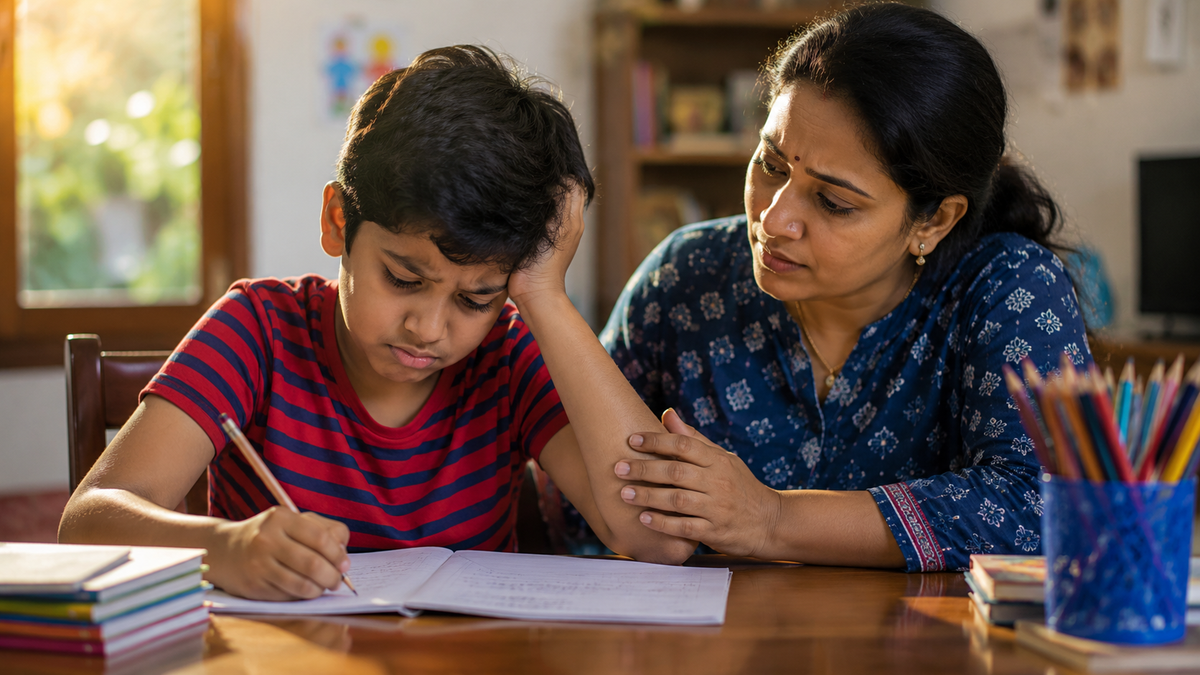
You sit down with your child to do homework. The reading is fine. The maths is manageable. But the moment a pencil comes out, something changes. The complaints begin: their hand hurts, they are tired, the paper looks wrong, the pencil feels wrong. The handwriting is barely legible. The letters are different sizes, drifting above and below the lines. A ten-sentence writing task takes forty-five minutes and ends in tears.
You have tried new pencils, pencil grips, better paper, gentler encouragement, and sterner warnings. Nothing works. And the written work your child produces bears no resemblance to what you know they are capable of when they speak. Their ideas are brilliant — but the page is nearly blank.
This is one of the most common presentations I see at MANAS Learning. And it almost always has a name. Dysgraphia
Understanding Dysgraphia
Dysgraphia is a specific learning difficulty that affects a child's ability to write. It is not about intelligence, laziness, or attitude. It is a neurological difference in the systems that coordinate fine motor control, spatial processing, working memory, and language — all of which must work together simultaneously to produce written text.
Think about everything writing actually requires: holding the pencil correctly, controlling the pressure, forming each letter accurately, remembering letter shapes, organising words into sentences, translating thoughts into language, maintaining a consistent size and baseline, and not losing your train of thought in the process. For most adults, this is automatic. For a child with dysgraphia, every single element requires conscious effort, and the cognitive load is enormous.
Types of Writing Difficulties
Not all writing difficulties look the same. At MANAS Learning, we differentiate between:
- Dysgraphia: A specific learning difficulty affecting the motor and cognitive processes of writing. Characterised by illegible handwriting, inconsistent letter formation, extreme slowness, and significant effort-to-output mismatch.
- Graphomotor difficulties: Primarily a fine motor coordination issue, where the hand muscles struggle to execute the physical demands of writing.
- Orthographic coding weakness: Difficulty remembering and retrieving letter forms from memory, leading to inconsistent and laboured writing.
- Expressive language difficulties: The child can form letters but struggles to organise and express thoughts in writing — a language processing issue rather than a motor one.
- ADHD-related writing difficulties: Impulsivity, working memory weaknesses, and executive function deficits can all severely impact written output.
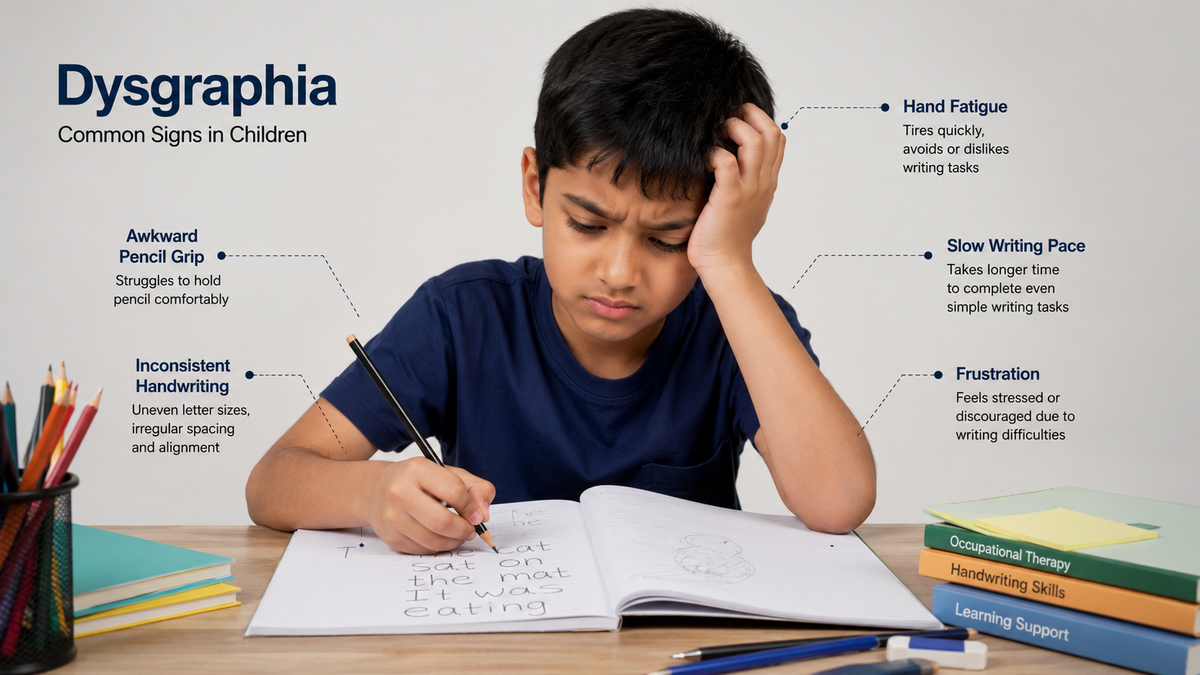
Signs Your Child May Have Dysgraphia
- Pencil grip that is unusual, awkward, or causes visible hand fatigue.
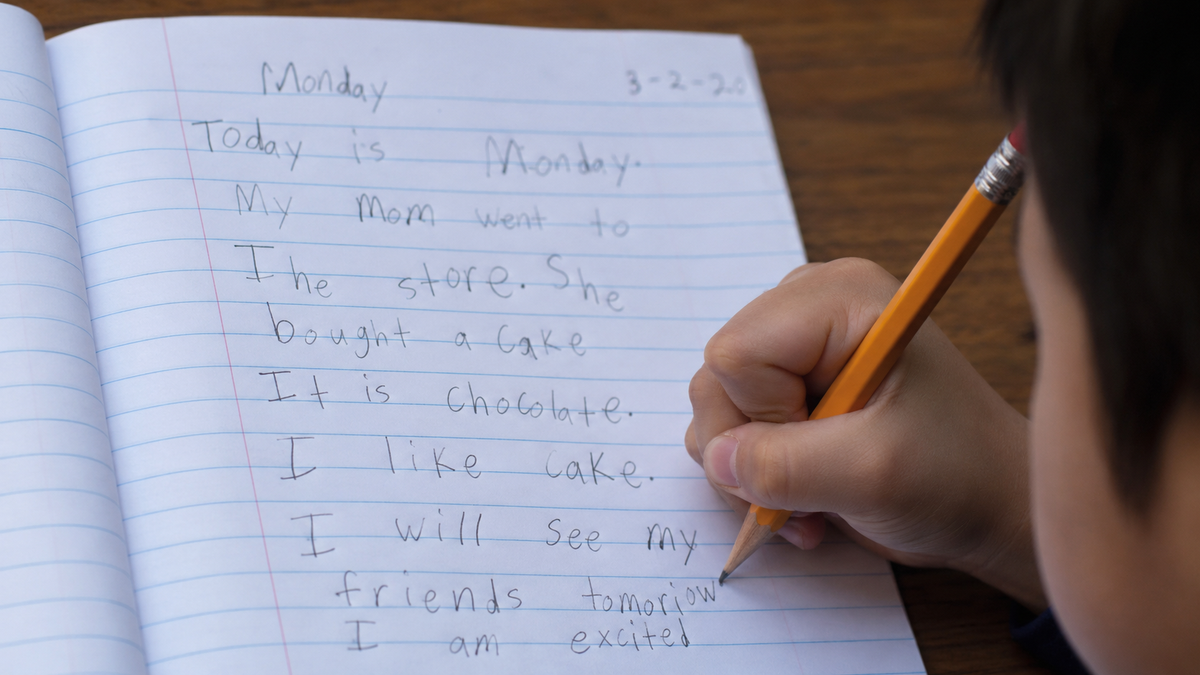
- Inconsistent letter size and spacing, with letters drifting above and below lines.
- Mixing upper and lower case letters randomly.
- Significant discrepancy between verbal ability and written output.
- Slow writing speed that does not improve despite practice.
- Avoidance of any writing tasks — both at school and at home.
- Complaints of hand pain or fatigue after short writing sessions.
- Written work that does not reflect the child's evident intelligence.
What Schools Often Miss
In many Indian classrooms, writing volume is equated with learning. Children are required to copy notes, write long answers, and produce reams of written work as a primary form of assessment. For a child with dysgraphia, this environment is actively counterproductive — they spend so much cognitive energy on the physical act of writing that the learning itself is lost. And because their written output is poor, they are often labelled as not trying, not paying attention, or not being bright.
This is a tragedy. Some of the most intellectually capable children I have worked with have dysgraphia. They think in complex, nuanced ways. But the page does not show it — because the page is the barrier, not the reflection of their mind.
What Helps
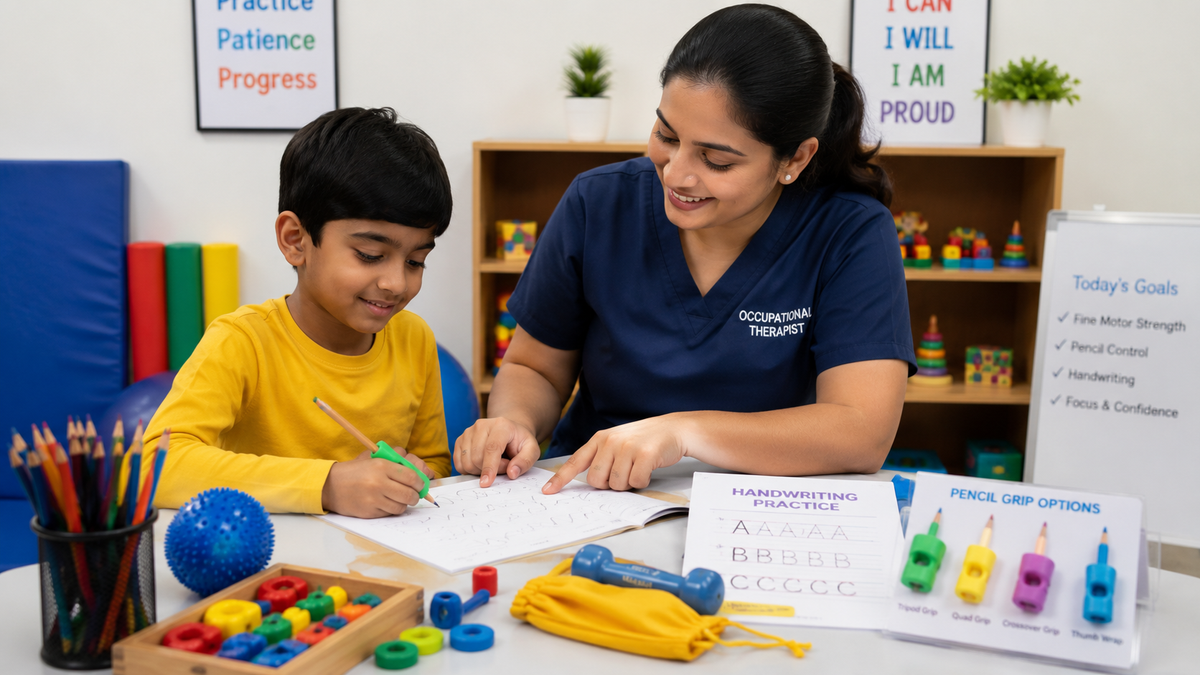
At MANAS Learning, our approach to writing difficulties combines occupational therapy (for the motor component) with remedial education (for the academic and language component) and appropriate accommodations. Practically, this might include:
- Occupational therapy to strengthen fine motor skills and improve pencil grip and control.
- Alternative output methods: voice-to-text tools, typing, or oral examination — especially for older children.
- Structured writing programmes that break the writing process into explicit, manageable steps.
- School accommodations: extended time, reduced writing volume, use of technology.
- Building confidence: celebrating what a child says and thinks, not just what they produce on paper.
Writing is a skill. For most children, it can be meaningfully improved with the right support. But even when it cannot be fully normalised, there are always pathways around it. Your child's mind does not have to be limited by what their hand can produce.
📞 Book a free consultation at manaslearning.com — because every child deserves to be understood.
About the Author

Manasi Valluri
By Manasi Valluri | Founder, MANAS Learning | Educational Psychologist