

When Should You Consult a Child Specialist

Manasi Naga
Founder, Psychologist, Special Educator

When Should You Consult a Child Specialist
for Learning Issues?
By Dr. [Name] | Clinical Psychologist | 10+ Years | 3,500+ Child Assessments
Child Learning Problems: Knowing When to Act
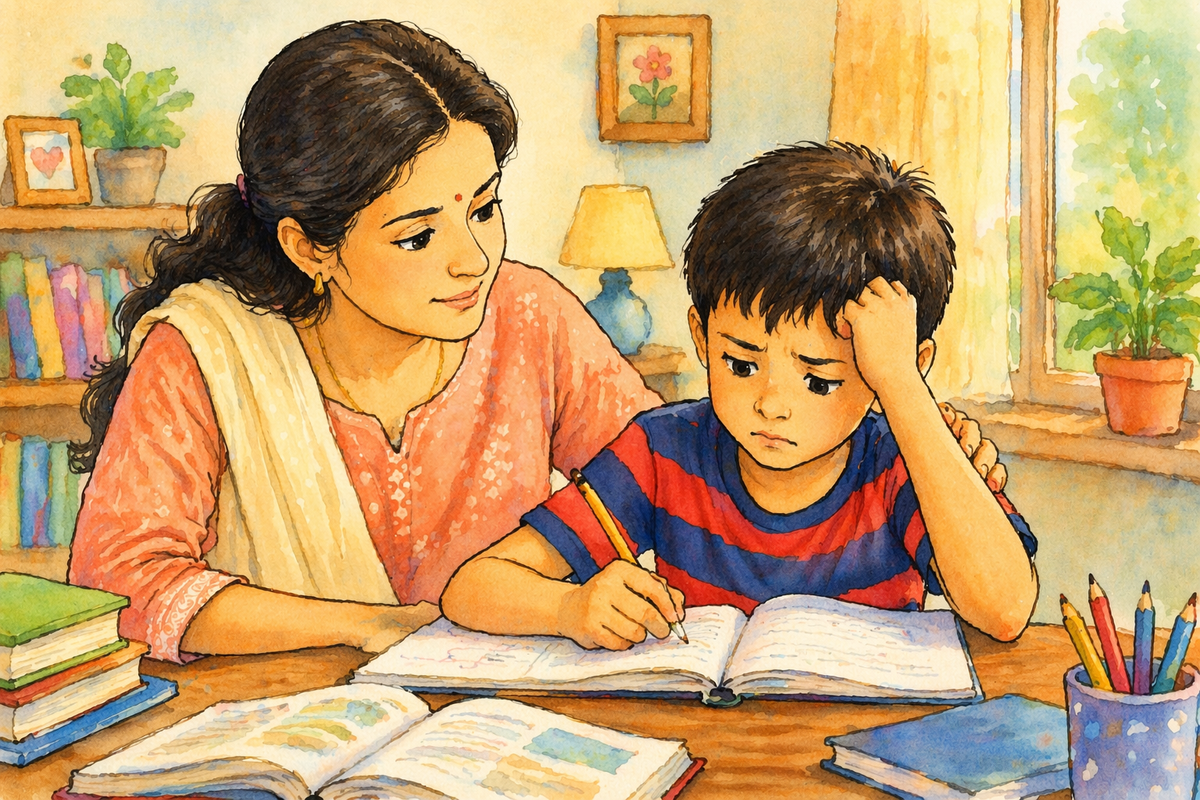
One of the most common things I hear from parents is: 'We thought he would grow out of it.' Or: 'The teacher said to give it more time.' And then they sit across from me when their child is in Class 6, years behind their peers, with anxiety and damaged self-esteem layered on top of unaddressed child learning problems.
I am not sharing this to frighten you. I am sharing this because the research is consistent and unambiguous: early identification of child learning problems leads to significantly better outcomes than late identification. If you are reading this blog because something feels 'off' about your child's learning, trust that instinct. Let us talk about what to look for, and exactly when to act.
"Child learning problems do not resolve on their own. They respond to identification, understanding, and skilled intervention."
What Are Child Learning Problems?
Child learning problems is a broad term that encompasses any persistent difficulty a child experiences in acquiring or applying academic skills — reading, writing, mathematics, language comprehension, or reasoning — that is inconsistent with their general intelligence and opportunities. According to the DSM-5, Specific Learning Disorders (SLD) are classified across three domains: reading, written expression, and mathematics.
Globally, the prevalence of specific learning disorders in school-age children ranges from 5–15%, making children's learning problems one of the most common reasons for academic underperformance (American Psychiatric Association, 2013). In India, a national study published in the Indian Journal of Psychiatry (2010) estimated that approximately 10% of school-age children experience significant learning problems.
Red Flags: When Child Learning Problems Need Professional Attention
By Age 5–6 (Pre-Primary / Grade 1)

Difficulty recognising letters or numbers despite consistent exposure
Cannot rhyme words or identify beginning sounds (poor phonological awareness)
Very short attention span, even for preferred activities
Trouble following two-step instructions
Speech that is significantly harder to understand than peers
By Age 7–8 (Grades 2–3)
Still reversing letters (b/d, p/q) consistently after age 7
Reading significantly below grade level despite instruction
Child learning problems with basic addition/subtraction facts despite practice
Handwriting that is illegible or causes physical avoidance of writing
Significant emotional distress around reading or written tasks
By Age 9–12 (Grades 4–7)
Persistent child learning problems across multiple subjects
Unable to read at grade level or comprehend what they have read
Extreme difficulty with written expression — ideas present verbally but not on paper
Marked avoidance of school, homework, or reading-related activities
Self-esteem issues are explicitly connected to academic performance
"The window for intervention is widest in the early years. Child learning problems identified in Grade 1 are far more responsive to treatment than those identified in Grade 5."
Whom Should You Consult for Child Learning Problems?
1. Clinical Psychologist (First Port of Call)
A clinical psychologist with expertise in child neurodevelopment conducts the foundational psychoeducational assessment. This evaluation is the cornerstone of understanding child learning problems — it maps cognitive strengths and weaknesses, identifies specific disorders, and produces a diagnostic report that informs all subsequent intervention. In India, look for a psychologist registered with the Rehabilitation Council of India (RCI) with an MPhil or PhD in clinical or educational psychology.
2. Developmental Paediatrician
For child learning problems that co-occur with motor delays, medical history concerns, or very early onset, a developmental paediatrician provides the medical framework. They also rule out vision, hearing, and neurological contributors to children's learning problems and can make onward referrals.
3. Special Educator
Once a child's learning problems are identified, a trained special educator (holding an RCI-recognised qualification) provides structured, evidence-based remediation using approaches such as the Orton-Gillingham method for dyslexia, the Wilson Reading Program, or the SPELD approach. Special educators are not tutors — they are trained therapists for academic skill acquisition.
4. Speech-Language Pathologist
Many children's learning problems — particularly reading and language difficulties — have roots in phonological processing and oral language development. A speech-language pathologist assesses and treats these underlying language foundations, which are often the invisible scaffolding beneath visible academic struggles.
5. Occupational Therapist
Where child learning problems include handwriting difficulties, motor coordination issues, or sensory processing concerns, an occupational therapist addresses the physical and sensory dimensions of learning.
What Does a Good Assessment for Child Learning Problems Include?
In India, a comprehensive evaluation for child learning problems typically includes: cognitive testing (WISC-V or Malin's Intelligence Scale for Indian Children — MISIC), academic achievement testing (WRAT or curriculum-based measures), behavioural rating scales (Conners', BASC-3), phonological processing assessments (CTOPP-2), and, where indicated, neuropsychological testing. The assessment report should clearly state the diagnosis, the child's specific profile of strengths and weaknesses, and specific recommendations for school accommodations and remediation.
Frequently Asked Questions
Q: How long does it take to assess a child's learning problems?
A: A comprehensive psychoeducational assessment typically takes 3–6 hours of testing spread across 1–2 sessions, followed by a feedback session with the family. Rush assessments that produce reports in a single sitting should be viewed with caution.
Q: Will my child get a 'learning disability' label? Is that harmful?
A: A formal identification of a child's learning problems actually liberates children. Research consistently shows that children who understand why they struggle feel less shame, show greater self-advocacy, and perform better once appropriate support is in place. A label is not a ceiling — it is a map.
Q: Do child learning problems mean my child cannot go to mainstream school?
A: In the vast majority of cases, children with identified learning problems continue in mainstream school with appropriate accommodations (extra time, reader/scribe, modified assessments). Only in cases of significant intellectual disability or multiple severe challenges is specialised schooling considered.
Q: Can I get accommodations for Board exams in India based on the child's learning problems?
A: Yes. CBSE, ICSE, and most State Boards provide accommodations (reader, scribe, extra time) for students with documented learning disabilities. A valid psychological assessment report from an RCI-registered psychologist is required. Applications must be submitted before the deadline set by the board.
Q: My child's school says to 'wait and see.' What should I do?
A: Politely but firmly seek a second opinion from a qualified clinical psychologist. Research is unambiguous: waiting and watching when a child has learning problems present does not help. It allows the gap to widen and the emotional toll to deepen.
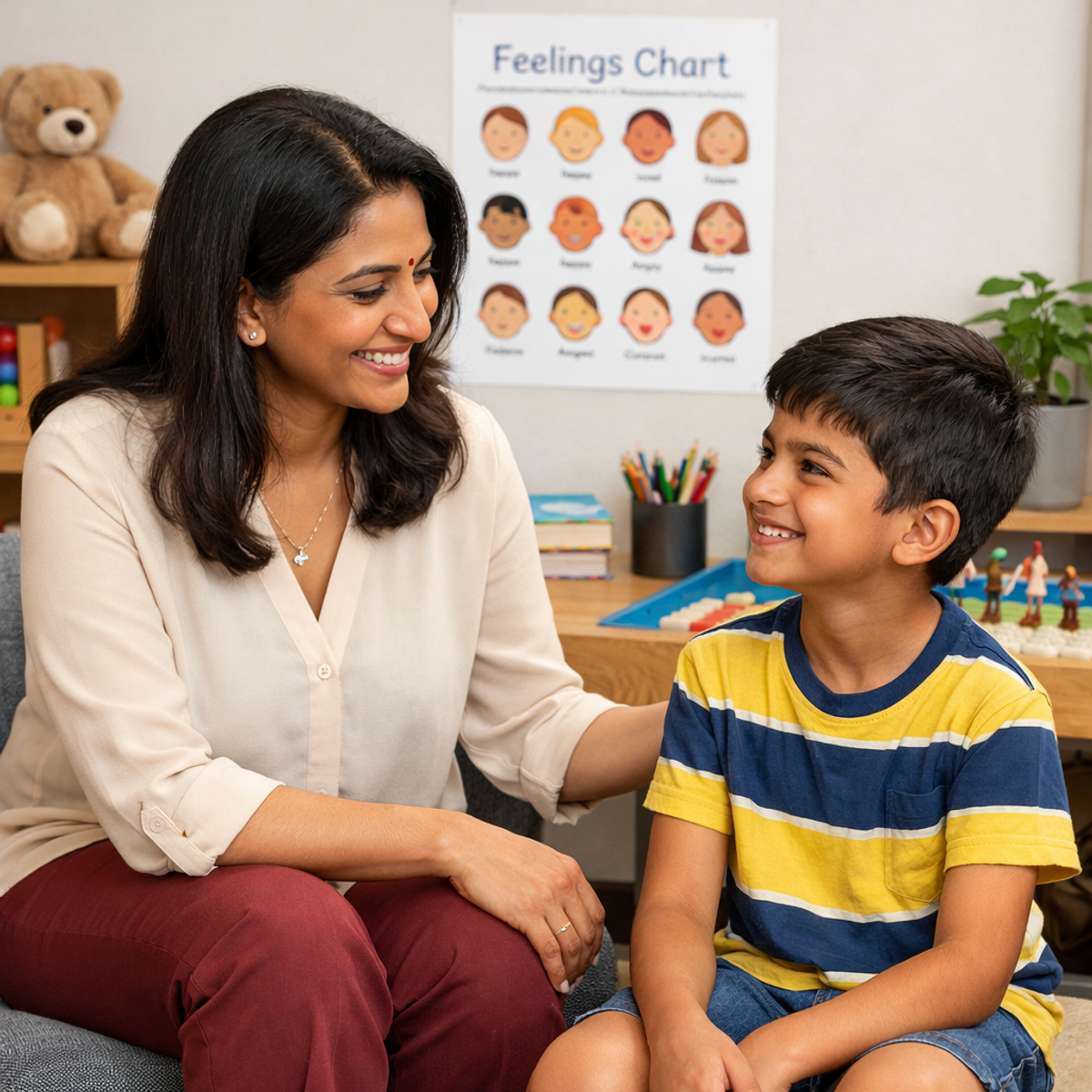
👉 Book an Assessment with MANAS Learning
Early identification changes outcomes. Our team of experienced clinical psychologists offers comprehensive assessments of learning, attention, speech, and behaviour. Don't wait — the right support at the right time makes all the difference.
References
American Psychiatric Association. (2013). DSM-5. APA.
Kapur, M., et al. (2010). Learning disabilities in Indian children. Indian Journal of Psychiatry, 52(Suppl 1).
Shaywitz, S.E., & Shaywitz, B.A. (2020). Reading disability and dyslexia. NEJM, 338(5), 307–312.
This blog is for educational awareness only. It does not constitute a clinical diagnosis or professional advice. Please consult a qualified mental health or medical professional for individual concerns.
About the Author

Manasi Naga
Founder, Psychologist, Special Educator