


She's Too Social to Be Autistic” — Why Girls Are Diagnosed Years Later Than Boys
Manasi Valluri
Child Psychologist , therapist and special educator
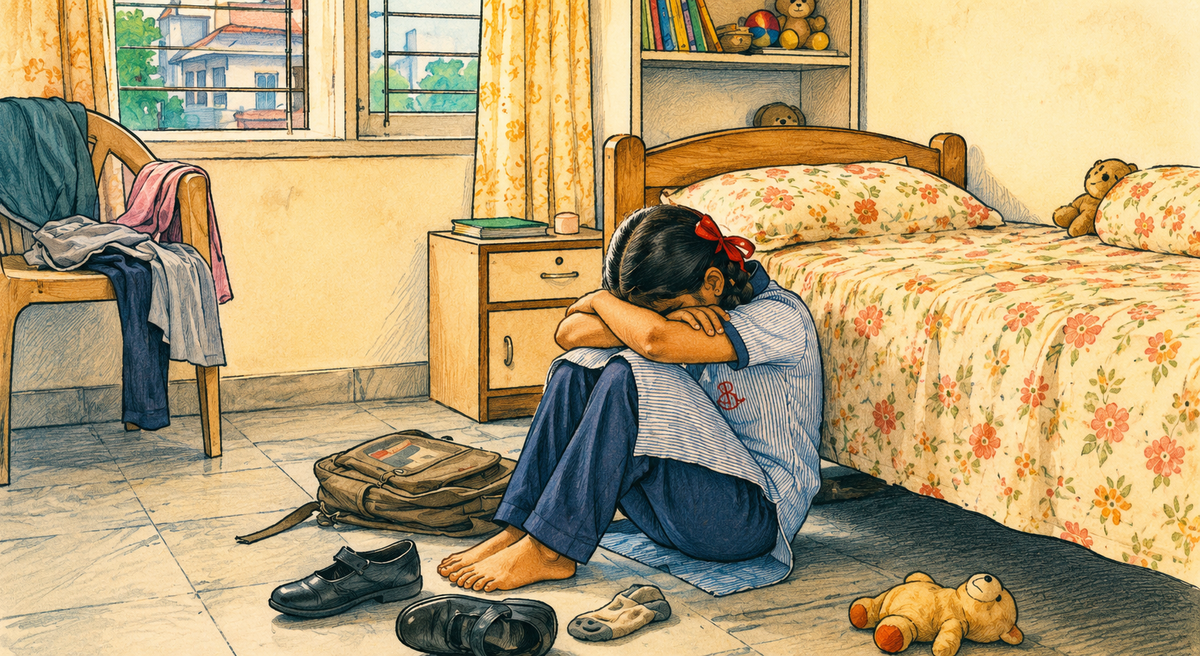
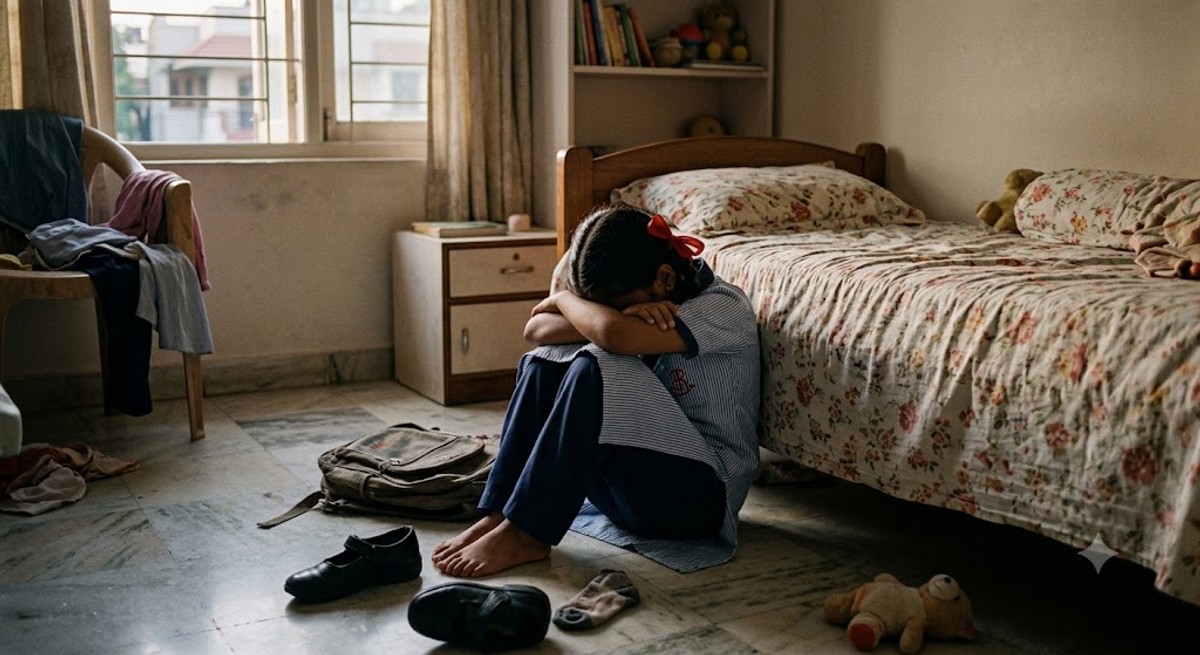
She makes eye contact. She has a best friend. She does well in school, most years. She also comes home from school and falls apart — meltdowns behind a closed bedroom door that nobody at school ever sees. If this sounds familiar, you're not imagining it, and you're not the only parent whose daughter's teacher insists “she's far too social for that.”
The uncomfortable truth is that autism and ADHD were first studied almost entirely in boys, and the diagnostic tools built from that research are still, decades later, better at catching a boy's presentation than a girl's.
The numbers behind the gap
More than four boys are diagnosed with autism for every one girl, according to the latest CDC figures — and researchers increasingly agree that gap doesn't reflect biology alone. Girls who are autistic are often simply missed: clinicians have described them as “lost girls,” overlooked because they don't fit the stereotype clinicians were trained to recognise.
Recent research quantifies the delay directly. One study found that when children already had an ADHD diagnosis, boys received a follow-up autism diagnosis about 1.5 years later on average — but girls waited closer to 2.6 years. A separate large-scale study similarly found that children first diagnosed with ADHD received an autism diagnosis roughly 1.8 years later than children diagnosed with autism directly — a delay that compounds further for girls specifically.
What masking actually looks like
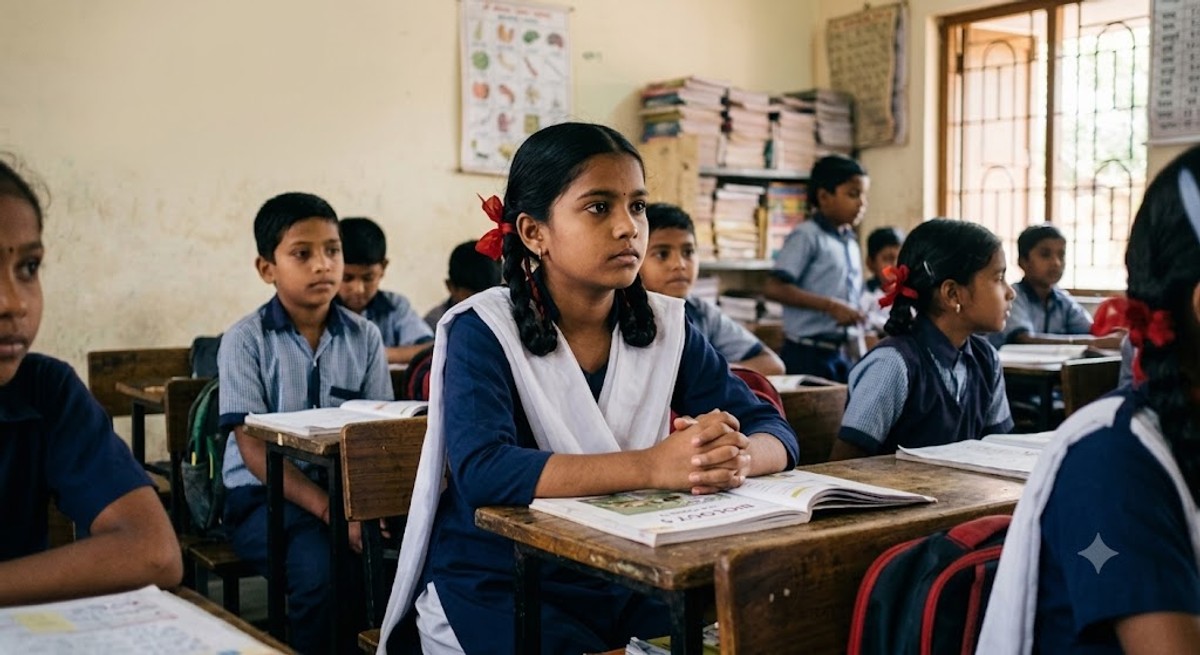
The mechanism behind this gap has a name: masking, or camouflaging. From a young age, girls face stronger social pressure to appear socially competent, and many neurodivergent girls respond by developing sophisticated coping strategies — rehearsing conversations in advance, consciously copying peers' facial expressions and tone, and suppressing stimming or repetitive behaviours in public. Clinical researchers studying this pattern describe it as involving social mimicry, scripting, and camouflaging of difficulties specifically to conform to what's expected of them.
This works, in the sense that it genuinely hides the traits from teachers, doctors, and even parents — but it comes at a real cost. Girls who mask successfully in public often experience significant internal stress and exhaustion from maintaining the performance, which frequently shows up at home as meltdowns, withdrawal, or what looks like disproportionate reactivity to small triggers, once the effort of holding it together all day is finally allowed to drop.
Qualitative research following a 7-year-old girl through a diagnostic process captured this precisely: despite early developmental delays, sensory sensitivities, and inconsistent evaluation results, she demonstrated strong social interest, reciprocity, and emotional expressiveness in structured settings — with real difficulties only becoming visible in naturalistic peer-group observation, and support needs limited mainly to attention and frustration management rather than the more visibly rigid, repetitive presentation clinicians are trained to look for.
Why the diagnostic tools themselves are part of the problem
This isn't simply about individual clinicians missing signs — it's built into the tools. Standardized diagnostic instruments like the ADOS-2 provide structured, validated criteria, but researchers note these tools do not always account for the compensatory behaviours and developmental masking that are more common among girls. Accumulating evidence indicates that standard diagnostic procedures may genuinely under-identify autism in girls and women, which is why researchers are now calling for assessment approaches that better capture how autism presents in a female phenotype rather than assuming one universal presentation.
There's also a striking finding about who masks most effectively: higher academic ability is linked to stronger masking skills. In practice, this means the girls coping best on the surface — doing well in school, appearing socially engaged — are often exactly the ones flying under the radar, precisely because their competence is read as evidence against a diagnosis rather than as a sign of how much effort is going into appearing fine.
What gets missed when diagnosis comes late
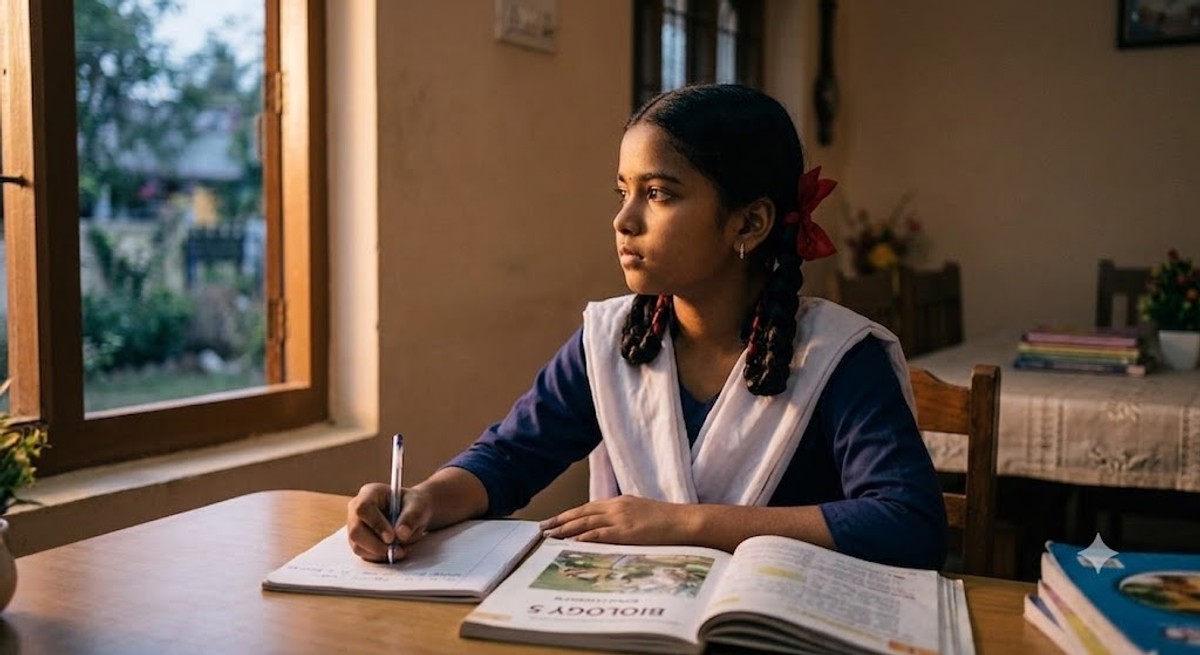
The cost of a delayed diagnosis isn't abstract. Clinicians who work with older girls and women describe watching what happens when identification comes late: children who miss out on social-skills interventions during the years those are easiest to teach, academic support that could have addressed focus difficulties years earlier, and — perhaps most significantly — a self-understanding of why things feel harder for them than for their peers. Girls with undiagnosed autism are described by clinicians as being at higher risk of developing depression, anxiety, or low self-esteem specifically from the ongoing struggle to fit in without knowing why it's a struggle at all.
Left unaddressed into adolescence and adulthood, this pattern doesn't simply resolve on its own. Research on late-diagnosed adults describes a phenomenon called autistic burnout: pervasive exhaustion, loss of previously-held skills, and heightened sensitivity resulting from years of chronic mismatch between expectations and capacity, without adequate support. The pattern that starts as a quiet, well-behaved girl in primary school doesn't disappear — it often resurfaces, more severely, at major life transitions like starting college or a first job, when the external structure that helped mask difficulties disappears.
What to actually look for in girls
If your daughter is verbal, has friends, and does reasonably well academically, but you still have a nagging sense something is different, here's what clinicians suggest paying attention to instead of the classic (male-typical) checklist:
- A stark difference between her behaviour at school (composed, coping) and at home (meltdowns, exhaustion, shutting down after school)
- Friendships that look social on the surface but that she describes as effortful, confusing, or exhausting to maintain
- Intense, narrow interests that look like ordinary hobbies but are unusually deep and rigid compared to peers
- Sensory sensitivities to specific textures, sounds, or clothing tags that she's learned to tolerate silently in public
- A need for predictability and routine that becomes visibly distressing when disrupted, even if she doesn't show it outwardly at first
If several of these resonate, it's worth raising autism and ADHD specifically — by name — with a clinician experienced in female presentations, rather than accepting reassurance based on eye contact and friendships alone. Given how frequently autism and ADHD co-occur, and how differently both can present in girls, a comprehensive evaluation covering both is usually more useful than pursuing one diagnosis in isolation.
ADHD in girls follows the same hidden pattern
ADHD masking works similarly, and it's just as easy to miss. The stereotype of ADHD — a boy who can't sit still and interrupts constantly — describes the hyperactive-impulsive presentation, which is more common in boys. Girls more often show the inattentive presentation: daydreaming, quietly losing track of instructions, forgetting homework, or being labelled “spacey” rather than disruptive. Because this doesn't disturb a classroom, it doesn't prompt a teacher referral the way a hyperactive boy's behaviour does — even though the underlying attention difficulty is just as real and just as disruptive to the girl's own learning.
Compensation via high intelligence or a highly supportive, structured home environment has been identified as a key reason ADHD presentations in girls remain unrecognised through childhood — the same mechanism driving late autism diagnosis. A bright, well-supported girl can compensate for years, until the coping strategies stop being enough at a transition point: middle school's increased organisational demands, high school's academic load, or the jump to college.

A note for Indian families
In many Indian households, a quiet, agreeable, high-achieving daughter is the opposite of a red flag — she's exactly what's culturally expected and praised. This makes the masking pattern described above even harder to catch, since the behaviours that would raise concern (a loud, disruptive boy) look nothing like the behaviours an Indian family might associate with a girl needing support. If your daughter's after-school meltdowns, sensory sensitivities, or friendship exhaustion have been dismissed as “just being dramatic” or “just needing more discipline,” it's worth getting a second, more informed opinion — particularly from a clinician who has specific experience with how autism and ADHD present in girls, rather than a general checklist built around the more visible, male-typical presentation.
Wondering if your daughter's exhaustion after school is more than just a long day?
We've built a female-presentation-aware observation guide to help you describe what you're seeing clearly — the gap between her “coping” face at school and what happens once she's home — so your next conversation with a clinician starts from the right questions.
📥 Free download: "Is It Just Shyness? A Parent’s Observation Guide for Autism and ADHD in Girls" — a free worksheet covering the female-presentation signs standard checklists often miss, plus how to describe masking and after-school meltdowns to a clinician.
References
1. Signs of Autism in Girls: Why They Are Often Missed. Child Mind Institute (2026).
2. Understanding Autism and ADHD in Women. Autism Parenting Magazine (2025).
3. Unmasking autism: gender differences in diagnostic practices and challenges in Norway's mental healthcare services for children and youth. Frontiers in Education (2025).
4. Challenging Case Report: Reevaluating autism diagnosis in a 7-year-old girl. PMC12926095.
5. 6 Ways ADHD Hides Autism. Neurodivergent Insights (2026).
6. The Late-Diagnosed Mind: ADHD and Autism in Adults. Psychology Today (2026).
7. Kentrou, V., De Veld, D.M., Mataw, K.J. & Begeer, S. (2018). Delayed autism spectrum disorder recognition in children and adolescents previously diagnosed with ADHD, as cited in Sunfield Center (2026).