



How to Improve Focus in Children Naturally

Manasi Valluri
By Manasi Valluri | Founder, MANAS Learning | Educational Psychologist
The Parent Who Googles “How to Make My Child Focus”
If you have typed those exact words into a search bar at 11 PM while your child's unfinished homework sits on the table, this blog is for you.
You are not alone — and you are not doing anything wrong.
Difficulty with sustained focus is one of the most common concerns I hear from parents at MANAS Learning. The good news is that there are many natural ways to improve focus in children without medication and without turning your home into a boot camp.
Understanding What Focus Actually Is
Before we talk about how to improve focus in children, we need to understand what focus actually is.
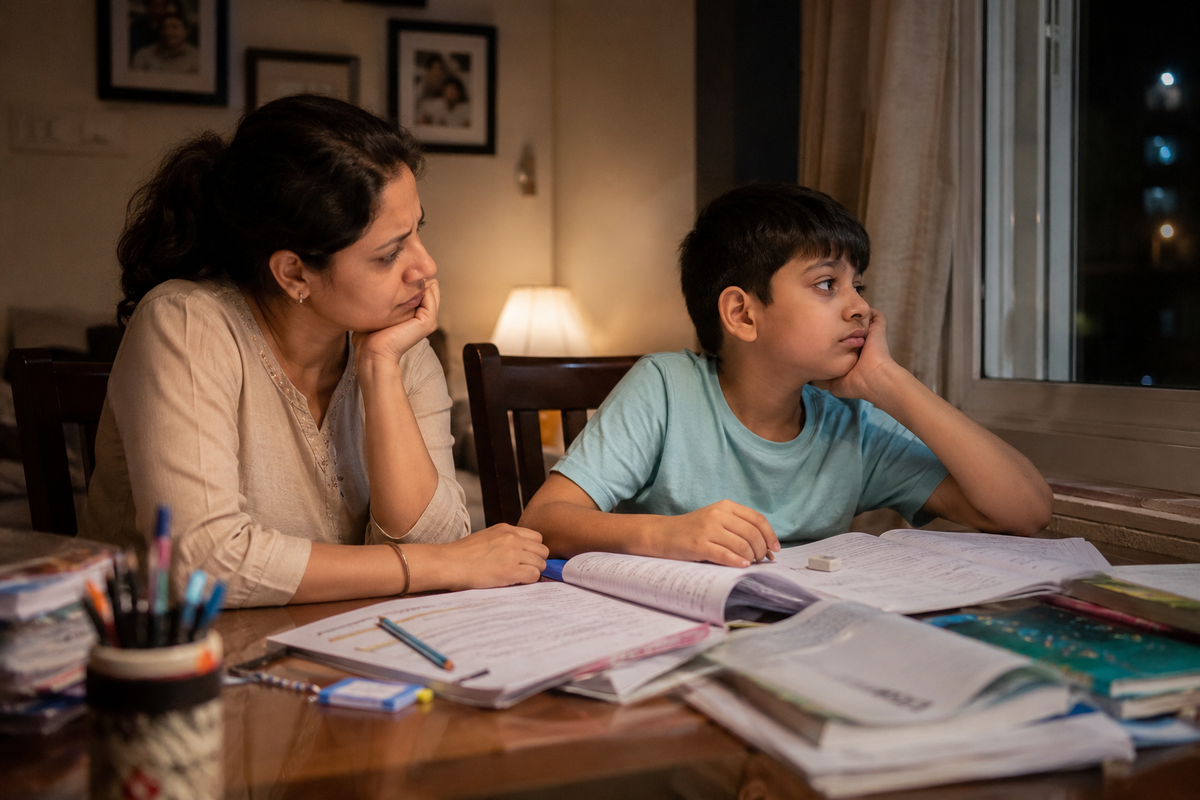
Focus — or sustained attention — is not a character trait or a matter of willpower. It is a neurological function, primarily governed by the prefrontal cortex and the dopaminergic system.
When a child cannot focus in school or during homework, it is usually because one or more of the following is happening:
- Their brain's executive function network is still developing (this is true for all children under 12, and many beyond that).
- Their brain is under-stimulated and seeking input (common in ADHD).
- Their nervous system is overwhelmed and cannot filter irrelevant information.
- They are experiencing anxiety that is consuming cognitive resources.
- They have an unidentified learning difficulty that makes the task feel impossibly hard.
The MANAS Approach: Working With the Brain, Not Against It
At MANAS Learning, we do not believe in forcing children into stillness.
The brain — especially a developing, neurodivergent brain — is not designed to sit in one place for extended periods and produce focused output on demand.
Instead, we design environments and routines that make focused attention more neurologically accessible.
Here are some evidence-based ADHD focus tips and natural concentration strategies that actually support the brain.
1. Movement Is Medicine for the Brain
One of the Best Natural Ways to Improve Child Concentration
This is one of the most underutilised tools in children's focus improvement.
Physical movement — especially aerobic exercise — significantly increases blood flow and neurotransmitter activity in the prefrontal cortex. Even ten minutes of vigorous play before a study session can improve a child’s attention span.
At MANAS Learning, we incorporate movement into every session for children with attention difficulties.
Focus Activities for Children at Home
Try adding movement breaks before homework:
- A quick game of cricket
- A cycle ride
- Ten jumping jacks
- Skipping
- Dancing for five minutes
These simple brain exercises for kids can dramatically improve concentration and focus.

2. Reduce Digital Fragmentation
Why Screens Affect Attention Span in Children
Every notification, app switch, and YouTube recommendation trains your child's brain to expect rapid input changes.
This directly competes with the kind of sustained, single-task attention that school requires.
Research consistently links high screen time — particularly passive, unstructured screen time — with reduced attention span in children.
This does not mean eliminating screens completely. It means creating healthy digital boundaries.
Healthy Digital Rules for Better Focus
- No devices during meals
- A screen-free hour before bed
- Limits on background television during study time
- Structured screen schedules
These small changes can help improve concentration without medication.

3. Nutrition and Sleep Are Non-Negotiable
Brain Health and Attention Span Go Together
The brain runs on glucose, omega-3 fatty acids, and adequate sleep.
A child who skips breakfast, is chronically sleep-deprived, or eats a diet high in refined sugar is neurologically compromised before they even open their textbook.
Sleep is especially critical because the brain:
- Consolidates learning
- Clears metabolic waste
- Regulates attention systems
- Restores cognitive functioning
Children aged 6–12 need 9–11 hours of sleep per night.
This is not just a lifestyle suggestion. It is a brain health requirement.
4. Break Tasks Into Micro-Chunks
A Simple ADHD Focus Tip That Works
A child who cannot focus on a 45-minute homework session may focus beautifully on a 10-minute task.
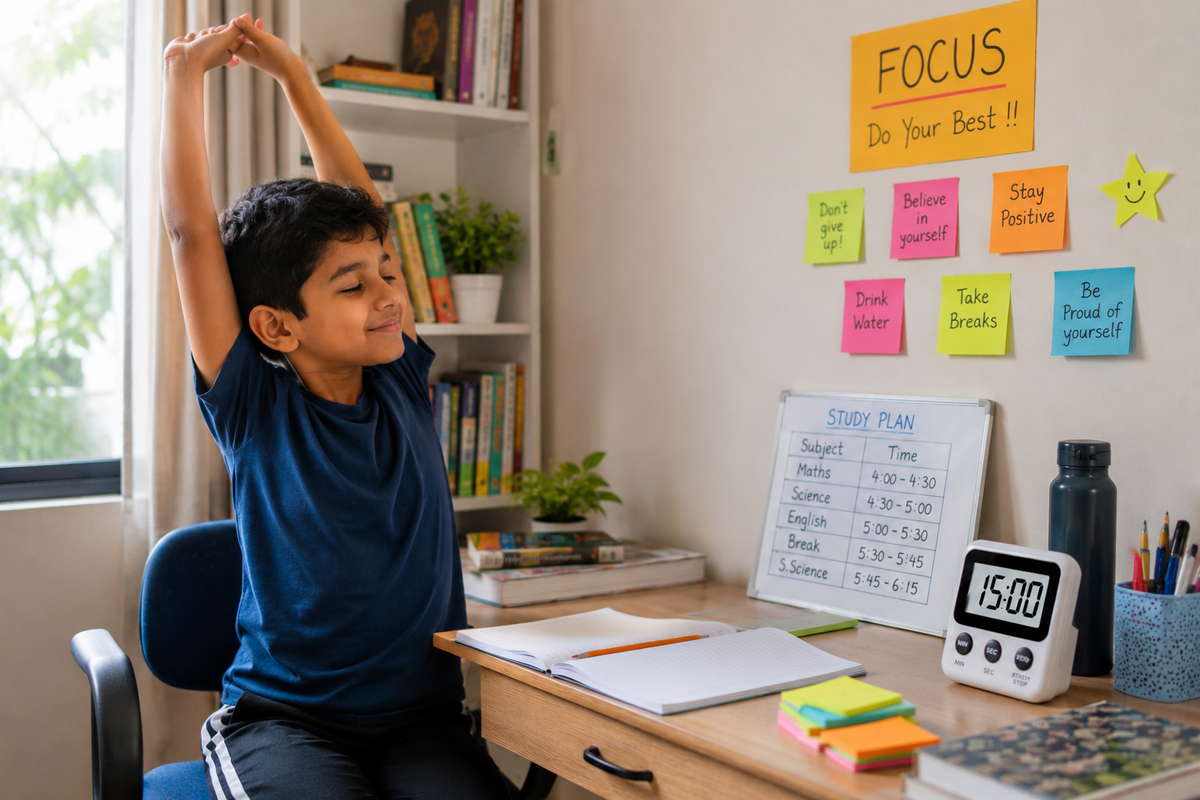
The Pomodoro technique — adapted for children — involves:
- Working for 15–20 minutes
- Taking a 5-minute movement break
- Returning to work with a reset brain
This method works because it aligns with the brain's natural ultradian rhythm and reduces cognitive fatigue caused by sustained effort.
5. Interest-Based Learning
Using Motivation to Improve Attention Span in Children
Children with ADHD and attention difficulties often display “hyperfocus” — the ability to concentrate intensely on topics they genuinely enjoy.
This is not inconsistency. This is neurology.
Dopamine is released when the brain anticipates reward, and dopamine is one of the primary drivers of focused attention.
Using a child's genuine interests as bridges to academic content is one of the most evidence-based approaches in educational psychology.
When Natural Strategies Are Not Enough
When to Seek Professional Help for Attention Difficulties
If you have consistently tried:
- Better sleep
- Movement routines
- Structured study sessions
- Nutrition improvements
- Reduced screen distraction

…and your child is still significantly struggling with focus, it may be time for a professional assessment.
Especially if attention difficulties are affecting:
- Academic performance
- Friendships
- Confidence
- Emotional wellbeing
- Classroom participation
At MANAS Learning, our psychoeducational assessments identify the root cause of attention difficulties — whether that is ADHD, anxiety, a learning difference, or a combination.
We then create an individualised plan that goes far beyond generic parenting tips.
Final Thoughts: Focus Is a Skill, Not a Personality Trait
Focus is not a fixed trait.
It is a skill — and like all skills, it can be built with the right support, environment, and understanding.
Every child deserves to feel capable, understood, and successful.
📞 Book a Free Consultation
Visit manaslearning.com to learn how MANAS Learning supports children with attention, learning, and emotional regulation challenges.
Because every child deserves to be understood.
About the Author

Manasi Valluri
By Manasi Valluri | Founder, MANAS Learning | Educational Psychologist